
Understanding Stress and Anxiety
Definition and Symptoms
Stress and anxiety are complex emotional responses that everyone experiences at different stages of life. Stress is often defined as a response to external pressures, while anxiety is characterized by excessive worry about potential future events. Common symptoms of stress include headaches, sleep disturbances, irritability, and difficulty concentrating. Conversely, anxiety symptoms may manifest as rapid heartbeat, excessive sweating, and feelings of dread. Recognition of these symptoms is the first step toward managing stress and anxiety, as they can significantly affect personal and professional well-being.
Causes and Triggers
Understanding the causes and triggers of stress and anxiety is crucial for effective management. Causes can range from environmental factors, such as job-related stress or major life changes, to biological factors like hormonal imbalances. Triggers are often unique to each individual; events like public speaking, social interactions, or financial troubles can provoke anxiety. Identifying personal triggers through journaling and reflection can significantly help in creating coping strategies tailored to an individual’s specific challenges.
The Impact on Daily Life
The impact of stress and anxiety on daily life can be profound. Stress can lead to chronic health conditions, such as high blood pressure and cardiovascular disease, while anxiety can exacerbate mental health issues like depression. Relationships often suffer due to irritability and withdrawal, reducing support systems that are crucial for emotional stability. Recognizing these effects helps individuals seek help and initiate change, creating a healthier daily routine that minimizes the influence of stress and anxiety.
Techniques for Managing Stress and Anxiety
Mindfulness and Meditation Practices
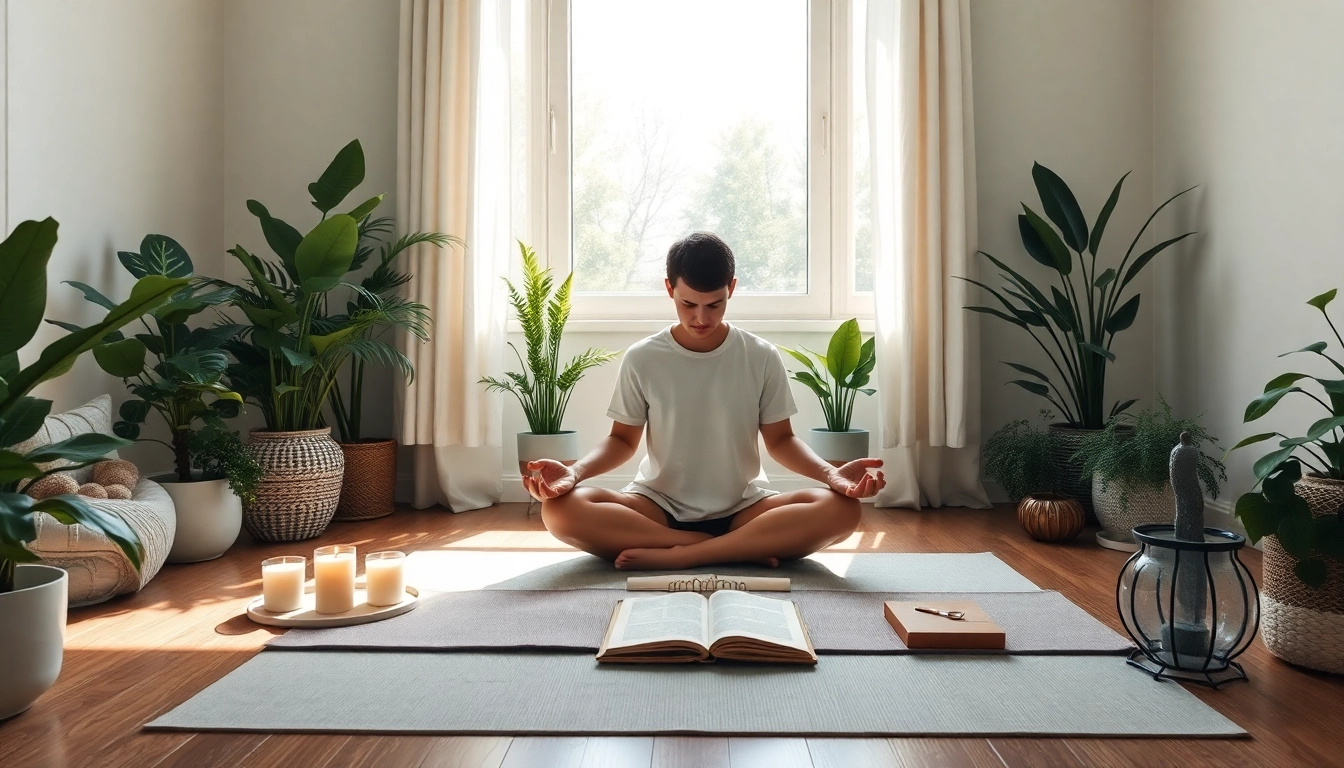
Mindfulness and meditation are powerful techniques for reducing stress and anxiety. Mindfulness involves focusing on the present moment without judgment, thus helping to alleviate worries about past or future events. Practices such as deep breathing exercises, progressive muscle relaxation, and guided imagery can foster a sense of calm. Additionally, dedicating just a few minutes daily to meditation can create substantial improvements in emotional wellbeing. Studies show that regular mindfulness practice can enhance emotional resilience and decrease stress hormone levels.
Physical Activities and Exercise
Engaging in physical activity is one of the most effective ways to combat stress and anxiety. Exercise releases endorphins, natural mood lifters that can help reduce feelings of tension and fatigue. Activities such as jogging, yoga, or team sports can not only enhance physical health but also provide opportunities for social interaction, which can be beneficial for mental health. It is recommended to engage in at least 30 minutes of moderate exercise most days to achieve these benefits. Finding an enjoyable activity makes it easier to incorporate exercise into a regular routine.
Healthy Coping Mechanisms
Developing healthy coping mechanisms is crucial for managing stress and anxiety effectively. This includes avoiding unhealthy habits such as excessive alcohol or caffeine consumption, which can exacerbate feelings of anxiety. Instead, individuals should focus on healthy activities that promote relaxation and joy, such as spending time in nature, listening to music, or practicing hobbies. Implementing routines that incorporate these activities can help create a balanced lifestyle and improve overall wellbeing.
Professional Support Options
Therapy Approaches for Stress and Anxiety
When personal coping mechanisms are insufficient, seeking professional support may be necessary. Several therapy approaches are effective for treating stress and anxiety, including Cognitive Behavioral Therapy (CBT), which focuses on identifying negative thought patterns and developing coping strategies. Acceptance and Commitment Therapy (ACT) emphasizes accepting emotions rather than avoiding them, allowing individuals to live more fully. Finding a qualified therapist who uses approaches suited to individual needs can facilitate meaningful improvement.
Medication Considerations
Medication can be a valuable tool for managing severe cases of stress and anxiety when therapy alone is not enough. Antidepressants, anti-anxiety medications, and beta-blockers are some options prescribed by healthcare providers. It’s essential to discuss the potential benefits and risks of medications thoroughly with a doctor, as well as to explore alternative treatment options. Medication can be a part of a holistic approach when combined with therapy and lifestyle changes.
When to Seek Help
Recognizing when to seek help for stress and anxiety can be challenging. Generally, if symptoms persist and interfere with daily life, relationships, or work, it’s time to consult a healthcare professional. Signs that assistance is needed include persistent feelings of dread, withdrawal from social interactions, and inability to concentrate. Seeking help sooner, rather than later, allows for more effective treatment options and can lead to a quicker return to emotional balance.
Lifestyle Changes to Alleviate Stress and Anxiety
Nutrition and its Role
Nutrition plays a vital role in mental health. A balanced diet rich in fruits, vegetables, lean proteins, whole grains, and healthy fats can enhance mood and provide the necessary nutrients to fight stress and anxiety. Omega-3 fatty acids, found in fish, have been linked to reduced anxiety. Additionally, staying hydrated and limiting sugar and caffeine intake can help maintain stable energy levels, reducing agitation and improving overall mood.
Importance of Sleep
Quality sleep is often overlooked in the context of stress and anxiety management. Insufficient sleep can exacerbate stress levels and lead to anxiety. Establishing a calming bedtime routine, ensuring a comfortable sleep environment, and aiming for 7-9 hours of restful sleep each night are essential steps to combat sleep disturbances. Exploring relaxation techniques can also aid in promoting better sleep quality, leading to improved emotional resilience.
Building a Support Network
Having a strong support network is crucial for managing stress and anxiety. Engaging with friends, family, or support groups fosters a sense of belonging and safety. Sharing experiences and challenges with others can relieve feelings of isolation and empower individuals to cope more effectively. Building these relationships requires effort; however, the emotional benefits they provide can significantly enhance resilience against stress and anxiety.
Long-term Strategies for Ongoing Stress and Anxiety Management
Setting Achievable Goals
Setting achievable goals is integral to long-term stress and anxiety management. This involves breaking larger objectives into smaller, manageable tasks, which can reduce feelings of being overwhelmed. Utilizing tools like planners and digital apps can help keep track of progress. Celebrating small achievements fuels motivation and reinforces a positive outlook, which is essential in maintaining mental health over time.
Practicing Gratitude and Positivity
Fostering an attitude of gratitude can significantly impact mental well-being. Daily practices such as keeping a gratitude journal, where individuals reflect on positive experiences and aspects of life, can shift focus away from stressors. Incorporating positive affirmations and surrounding oneself with positivity can help combat negative thought patterns, thereby decreasing stress and anxiety levels.
Staying Informed and Educated
Staying informed about stress and anxiety can empower individuals to take control of their mental health. Reading self-help books, attending workshops, and following mental health professionals can provide insights into coping strategies and emerging therapies. Education fosters understanding and leads to better management of symptoms, enhancing the ability to thrive in daily life and maintain a healthy state of mind.
FAQs
What are the key symptoms of stress and anxiety?
Key symptoms include irritability, difficulty concentrating, sleep disturbances, rapid heartbeat, and sweating. Recognizing these symptoms is critical for managing stress and anxiety effectively.
How can meditation help reduce stress and anxiety?
Meditation promotes relaxation and mindfulness, which can decrease anxiety levels and enhance emotional resilience. Regular practice can lead to significant improvements in overall mental well-being.
When should I consider professional help for stress and anxiety?
If symptoms persist, interfere with daily life, or lead to withdrawal from social activities, consulting a healthcare professional is advisable to explore appropriate treatment options.
What lifestyle changes can help alleviate stress?
Incorporating regular exercise, maintaining a balanced diet, prioritizing sleep, and building a support network can significantly alleviate stress and improve overall mental health.
Can nutritional choices impact anxiety levels?
Yes, a well-balanced diet rich in nutrients can positively impact mood and reduce anxiety. Foods with omega-3 fatty acids, fruits, and vegetables are especially beneficial.


